Japanese Calligraphy Classes in Rancho Cucamonga
Build focus, confidence, and fine motor skills through traditional Japanese calligraphy (Shodo).
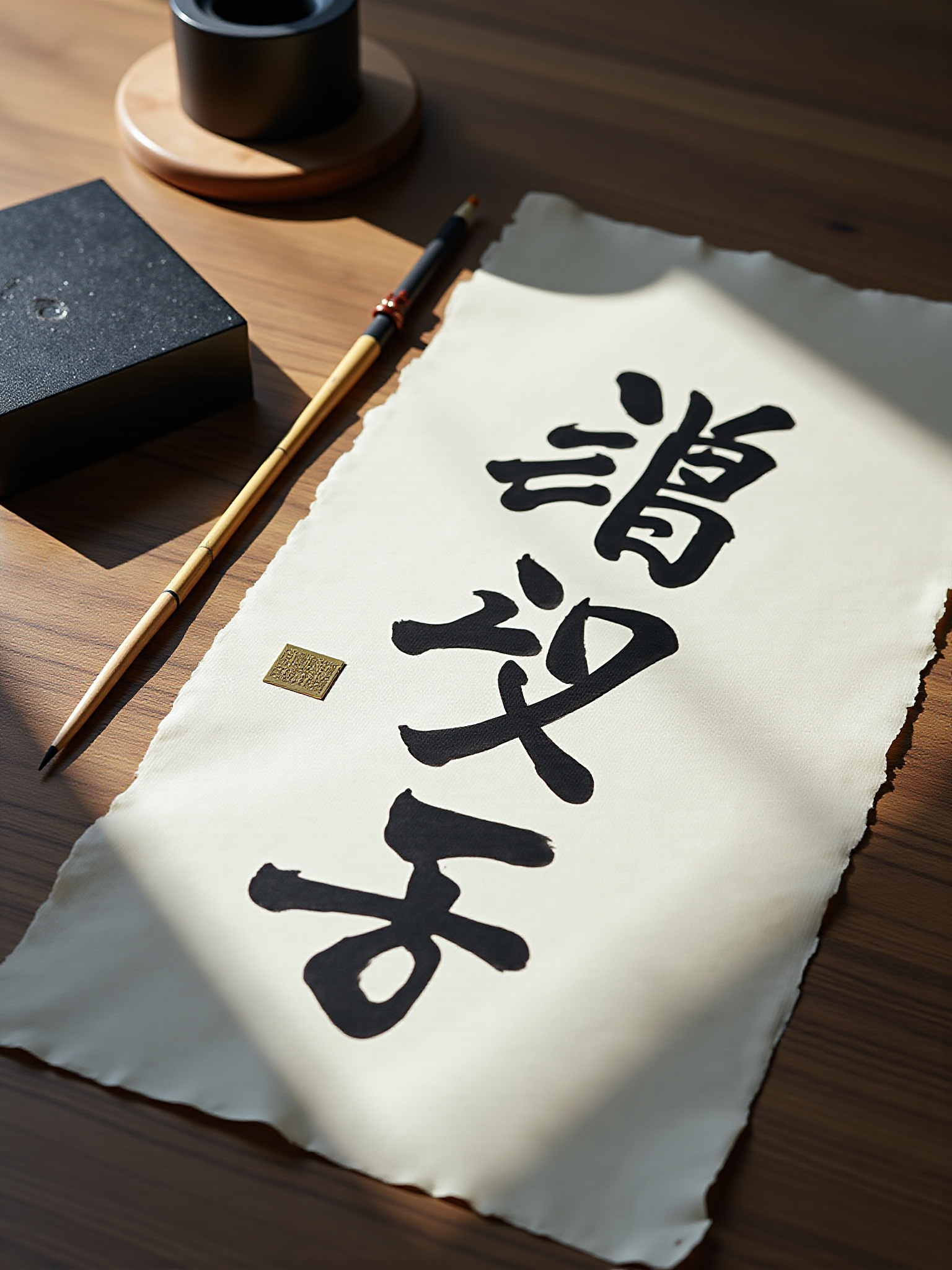
Message from the Instructor
Calligraphy is more than writing characters — it is a form of mindfulness and discipline.
In each class, students learn to focus on the present moment and move carefully through every step, one stroke at a time. In today’s world, where social media constantly pulls our attention toward comparison, outside evaluation, and worries about the past or future, many children struggle to stay focused.
Calligraphy offers a quiet space to slow down, calm the mind, and concentrate on creating something they personally find beautiful. This time of focused creation is not only calming, but also deeply enjoyable.
The Japanese language itself carries a rich history, meaning, and beautiful sound. Through calligraphy, I hope students can experience not only the art of writing, but also the beauty of the Japanese language and culture behind each character.
About Me.
I practiced Japanese calligraphy as a child and have warm, happy memories of attending calligraphy classes when I was young.
Now, as a mother to a two-year-old daughter, those memories have taken on new meaning. Watching my child grow has made me think more deeply about the kind of learning experiences I want for her — experiences that encourage focus, patience, and a sense of calm. That reflection inspired me to open this calligraphy class here in the U.S., so that children can experience the same benefits I once did.
In class, students are encouraged to focus on each stroke, observe their movements, and sit with proper posture. These small but intentional practices help children slow down, calm their minds, and build concentration in a natural way.
As a parent myself, I understand how important it is for children to learn in an environment that feels safe, supportive, and enjoyable. My goal is to create a space where children can have fun while gently developing focus and confidence.
Through calligraphy, I also hope to introduce children to Japanese culture and share the beauty of the Japanese language — its sounds, meanings, and traditions — in a way that feels accessible and meaningful.


